No city wears its history so openly as Rome. Here an ancient temple becomes a church becomes a fountain becomes the backdrop to your morning coffee — nearly three thousand years stacked one layer on the next. The headline sights earn their fame, but Rome's real pleasure is the everyday texture between them. This curated guide covers the experiences worth your time, what you must book ahead, and how to eat like a Roman.
“Three thousand years of empire, art and appetite, layered street on street. A curated guide to Rome's essential experiences — what to book ahead, when to go, and where the Romans actually eat.”
How many days you need
Three days covers the essentials without exhausting you: ancient Rome (Colosseum, Forum, Palatine), Vatican City (the Museums and St Peter's), and a slower day for the Pantheon, the fountains and the trattorias of Trastevere. A fourth day buys the Borghese Gallery and time simply to get lost, which in Rome is where some of the best moments happen. The one rule that changes your trip: book the big sights ahead — Rome now runs on timed entry.
The experiences worth your time
Colosseum, Forum & Palatine
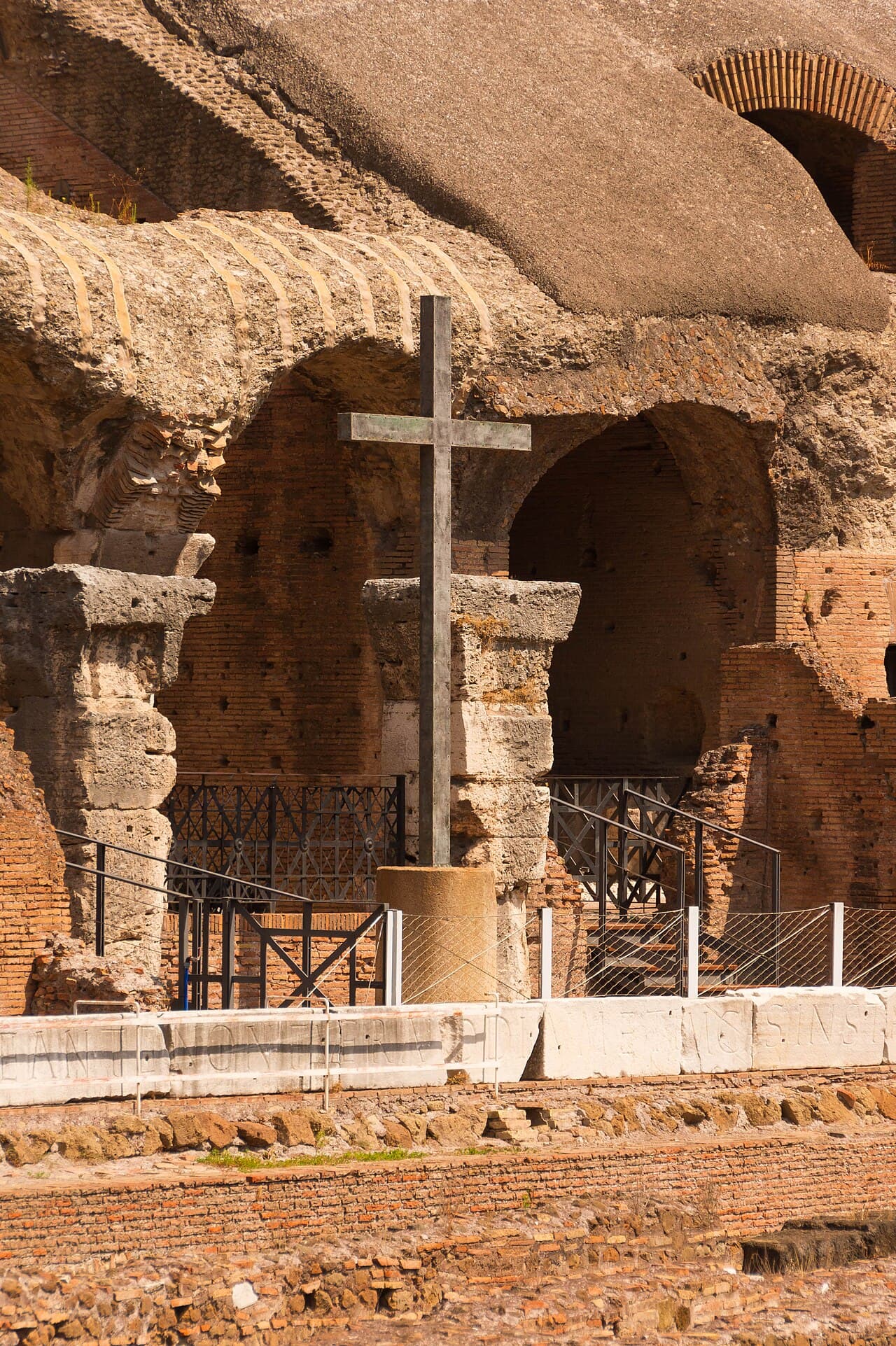
€€ · Half dayThe beating heart of ancient Rome — the great amphitheatre, the ruined Forum where the Republic was run, and the palace hill above. A single timed ticket covers all three; entry is at the slot you book, tickets are released about 30 days ahead and sell out fast, so reserve early. A guide brings the stones to life.
See the guideVatican Museums & the Sistine Chapel
€€€ · Half dayMiles of galleries building to Michelangelo's ceiling, then St Peter's Basilica next door. The Museums open 09:00–18:00 Monday to Saturday (last entry 16:00) and entry is strictly timed — book the earliest slot or an after-hours tour to see the frescoes without the shoulder-to-shoulder crush.
See the guideThe Pantheon
€ · 1 hourThe best-preserved building of ancient Rome, its coffered concrete dome still the largest of its kind after two millennia, lit by a single open oculus. It now charges a small timed-entry fee — quietly astonishing, and worth timing for when the light falls straight through the roof.
See the guideTrevi Fountain & Baroque Rome
Free · 1 hourRome's grandest fountain, a theatrical wall of gods and sea-horses tucked into a small square. It is free and always open, which is the catch — come at dawn or late at night to see it without the crush, coin toss and all.
See the guideBorghese Gallery & gardens
€€ · 2–3 hoursA jewel-box villa of Bernini sculptures and Caravaggio paintings set in Rome's loveliest park. Entry is by timed reservation only, and slots are strictly capped — reserve well ahead, then stroll the gardens afterwards.
See the guideWhere the Romans actually eat
Rome has four classic pastas — cacio e pepe, carbonara, amatriciana and gricia — and the rule for eating them well is to leave the sights behind. A real carbonara has no cream, only guanciale (cured pork cheek), pecorino and raw egg yolk; a real cacio e pepe is little more than pecorino, pepper and starchy pasta water, and it is harder to do well than it looks. Head for the trattorias of Testaccio and Trastevere, where locals eat every day, rather than the tourist-priced tables beside the big monuments — and, as ever, follow the queue of Romans on their lunch break.
Getting around & when to go
Rome's historic centre is dense and walkable — most of the essentials are within a long stroll of each other, and a lot of the city's best moments come from rounding a corner with no plan. Two metro lines and the buses cover the longer hops. For timing, the shoulder seasons of April–May and September–October are the sweet spot: warm days of 18–24°C, manageable crowds, and hotel rates well below the July–August peak. Avoid Easter week (around 29 March–5 April in 2026), which draws Vatican-bound pilgrim crowds and higher prices.
See our full Rome guide for the complete list, neighbourhood notes on where to stay, and the best time to visit in more detail.
Sources
- Colosseum & Roman Forum — official tickets & timed entry — CoopCulture (official ticketing)
- Vatican Museums — official visitor information — Vatican Museums
- Traditional Roman food, district by district — Italia.it (Italian National Tourist Board)
- Best time of year to visit Rome — Walks of Italy
About the author
Folio Voyage Editorial
The editors behind Folio Voyage — independent, originally-written and researched city guides, curating the tours and experiences worth your time.
Written independently and last reviewed July 14, 2026. Folio Voyage is reader-supported — see our affiliate disclosure or get in touch.