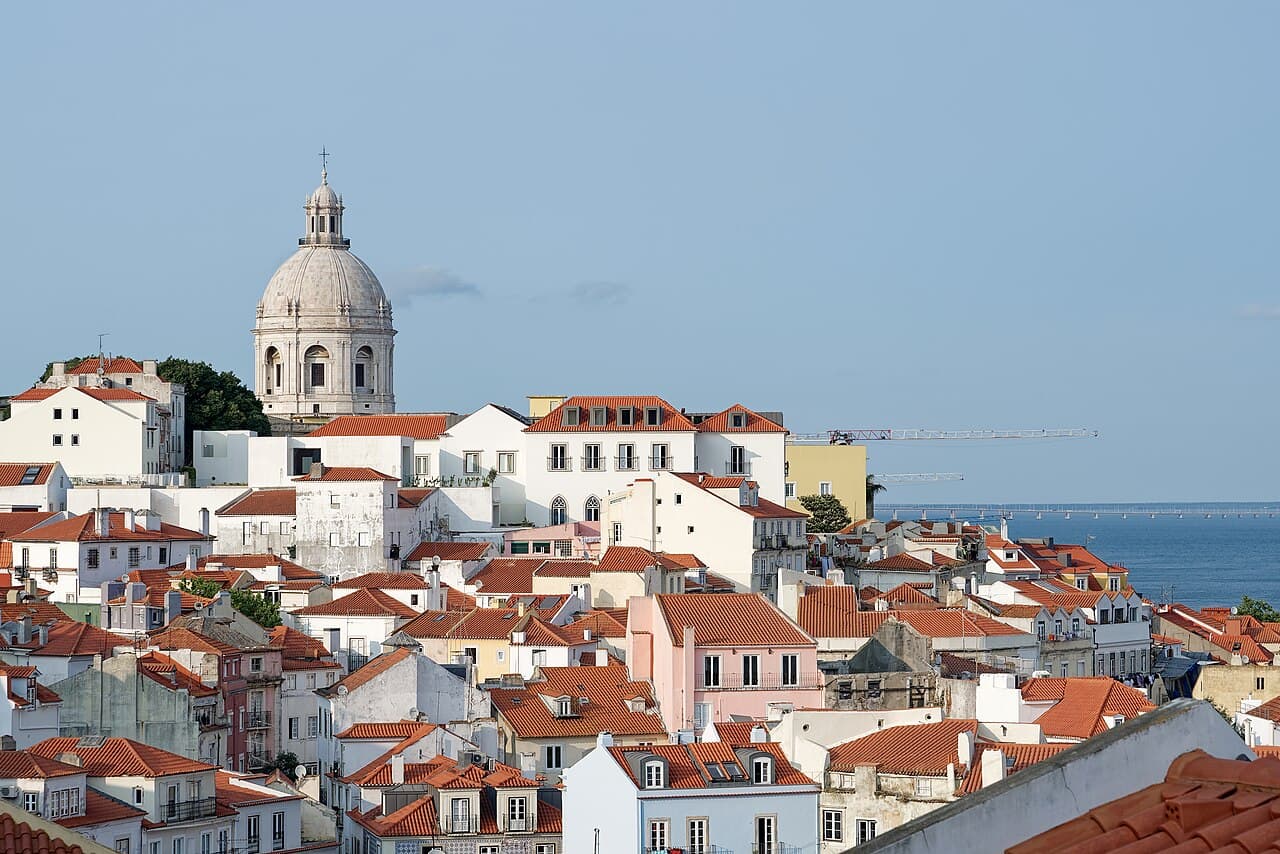
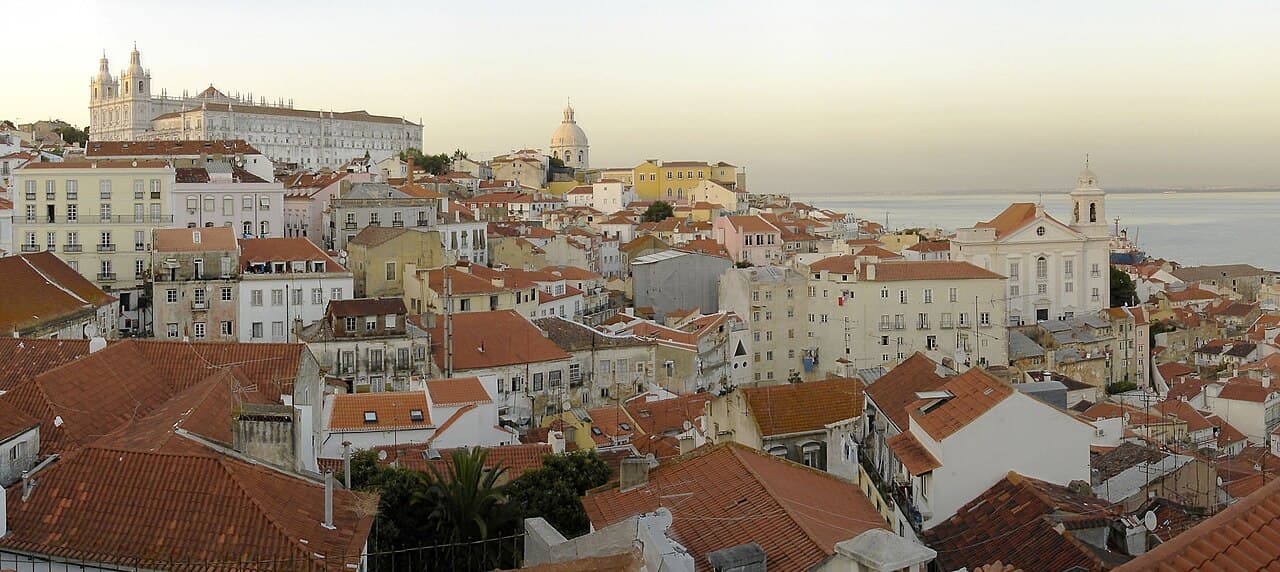
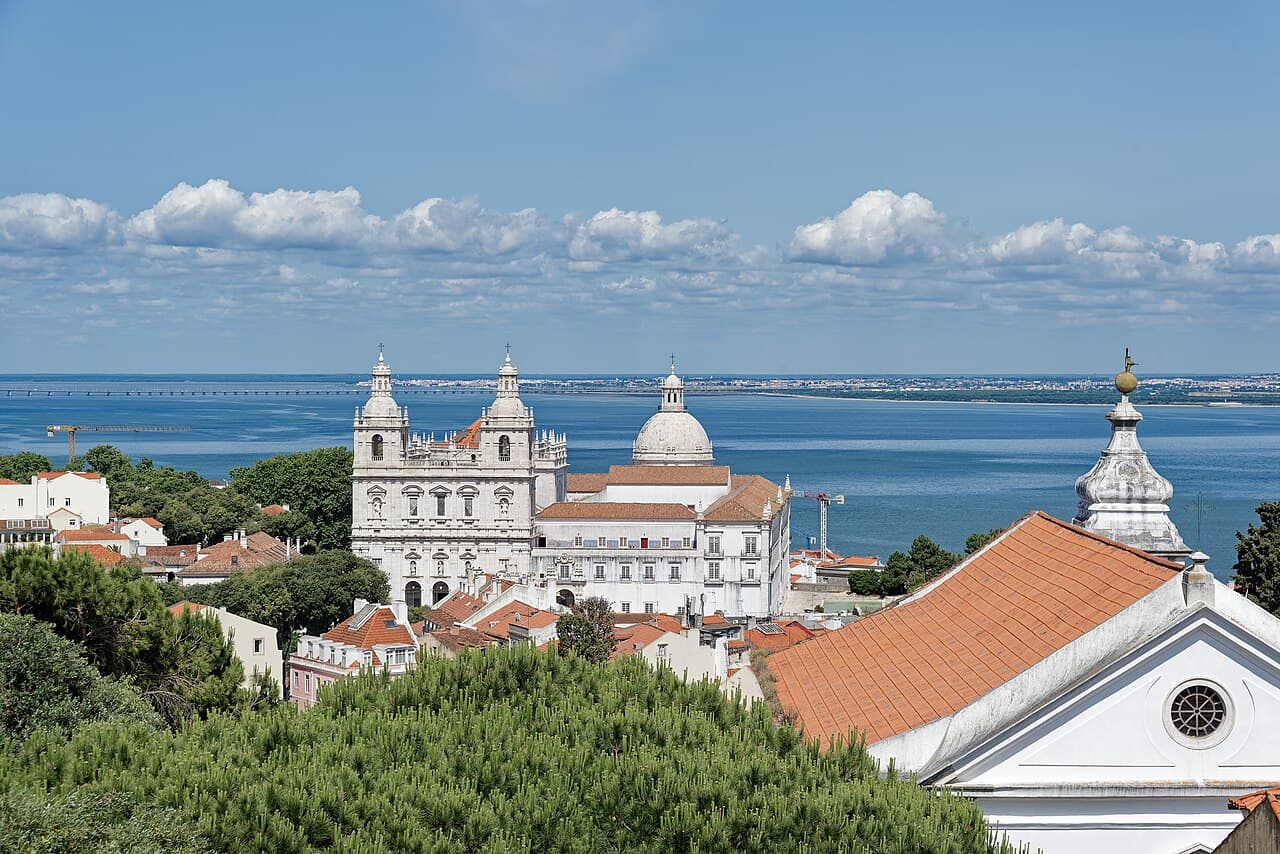
Lisbon is a city of viewpoints. Built across seven hills above the wide Tagus estuary, it keeps handing you the same reward — climb a lane, round a corner, and the whole tiled, terracotta city opens up below you in the famous Atlantic light. It's a capital that feels sun-bleached and lived-in, where laundry hangs over cobbled alleys and the sound of fado drifts out of a doorway after dark.
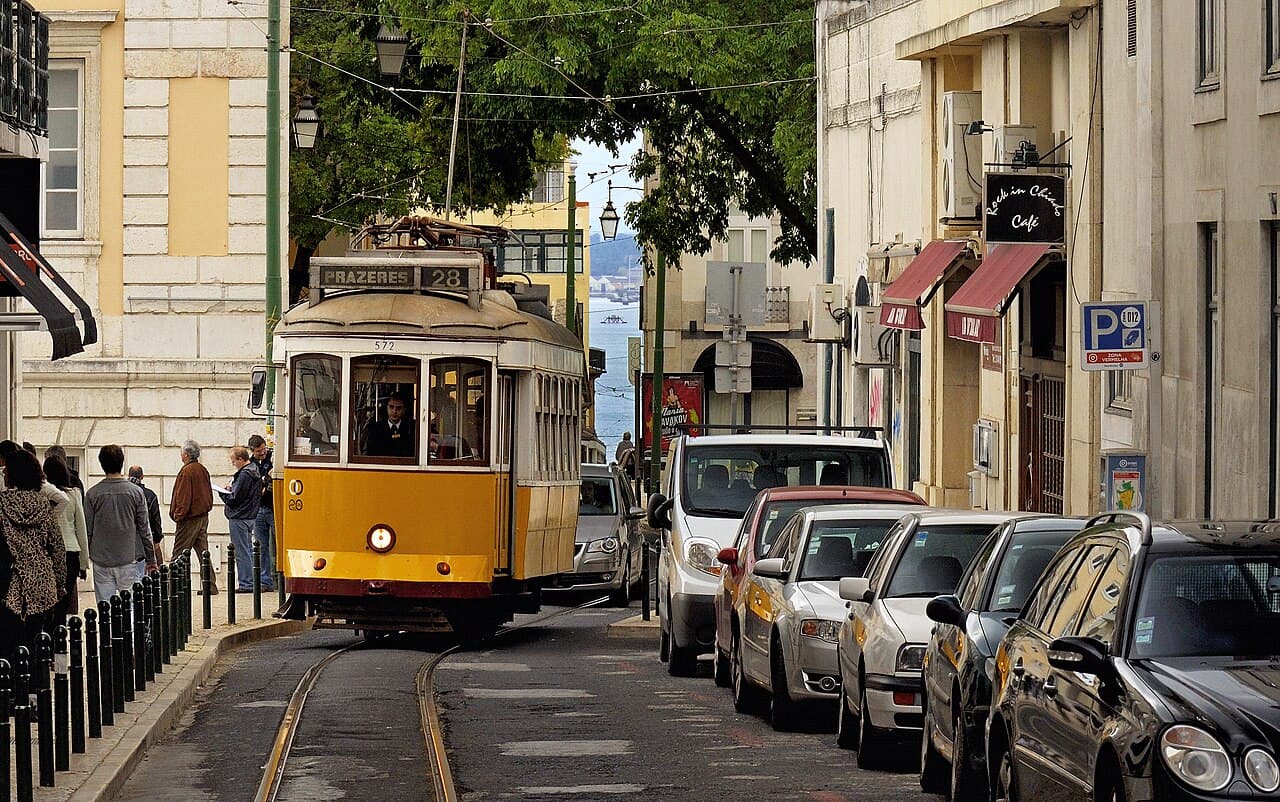
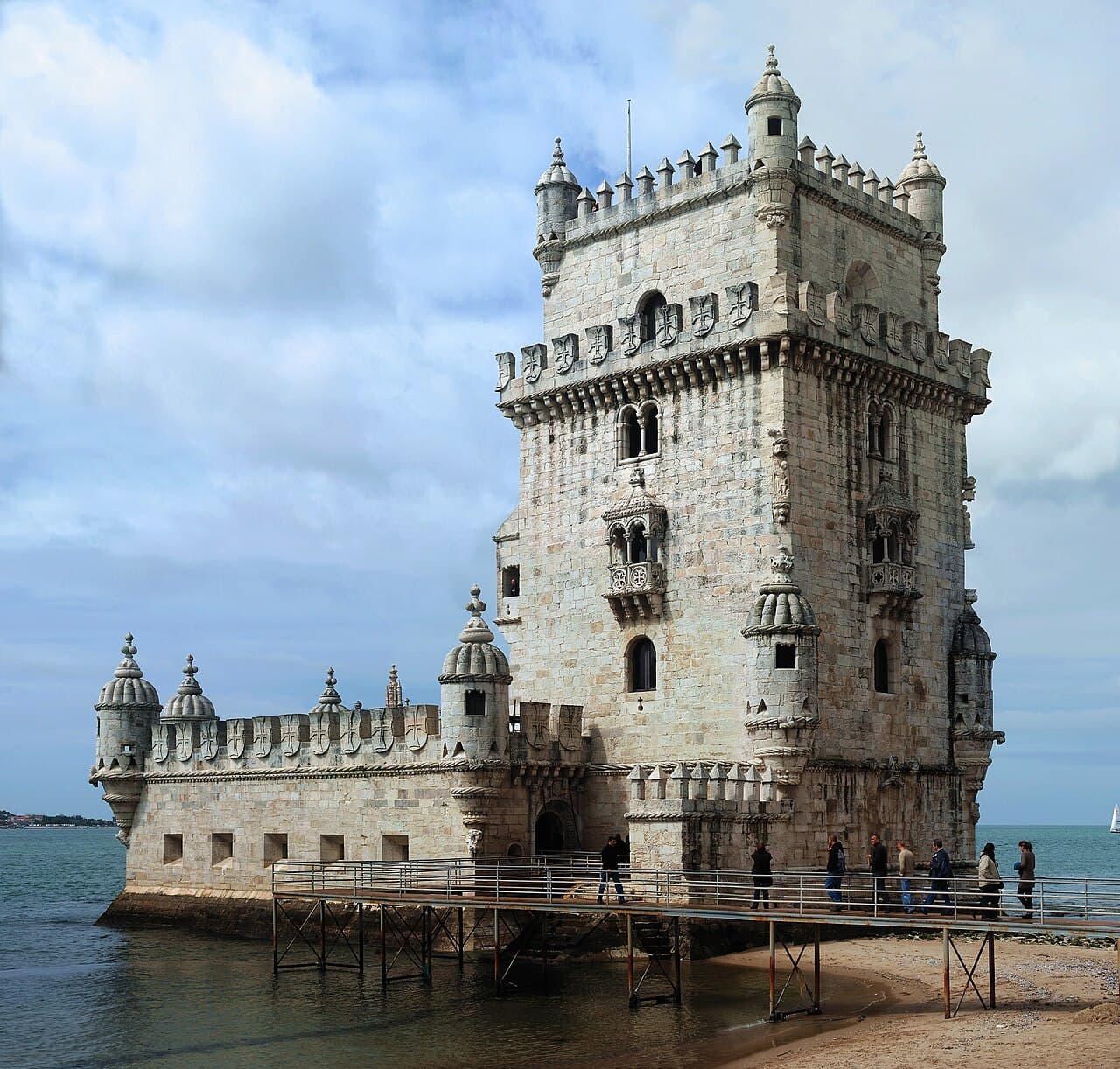
It's also remarkably easy to love. Distances are short, the historic yellow trams do half the climbing for you, and the food — grilled sardines, salt cod a hundred ways, and the warm custard tart known as pastel de nata — is generous and cheap. The old quarters of Alfama and Mouraria survived the great 1755 earthquake and still ramble like a medieval village, while the grand riverside district of Belém tells the story of Portugal's age of exploration.
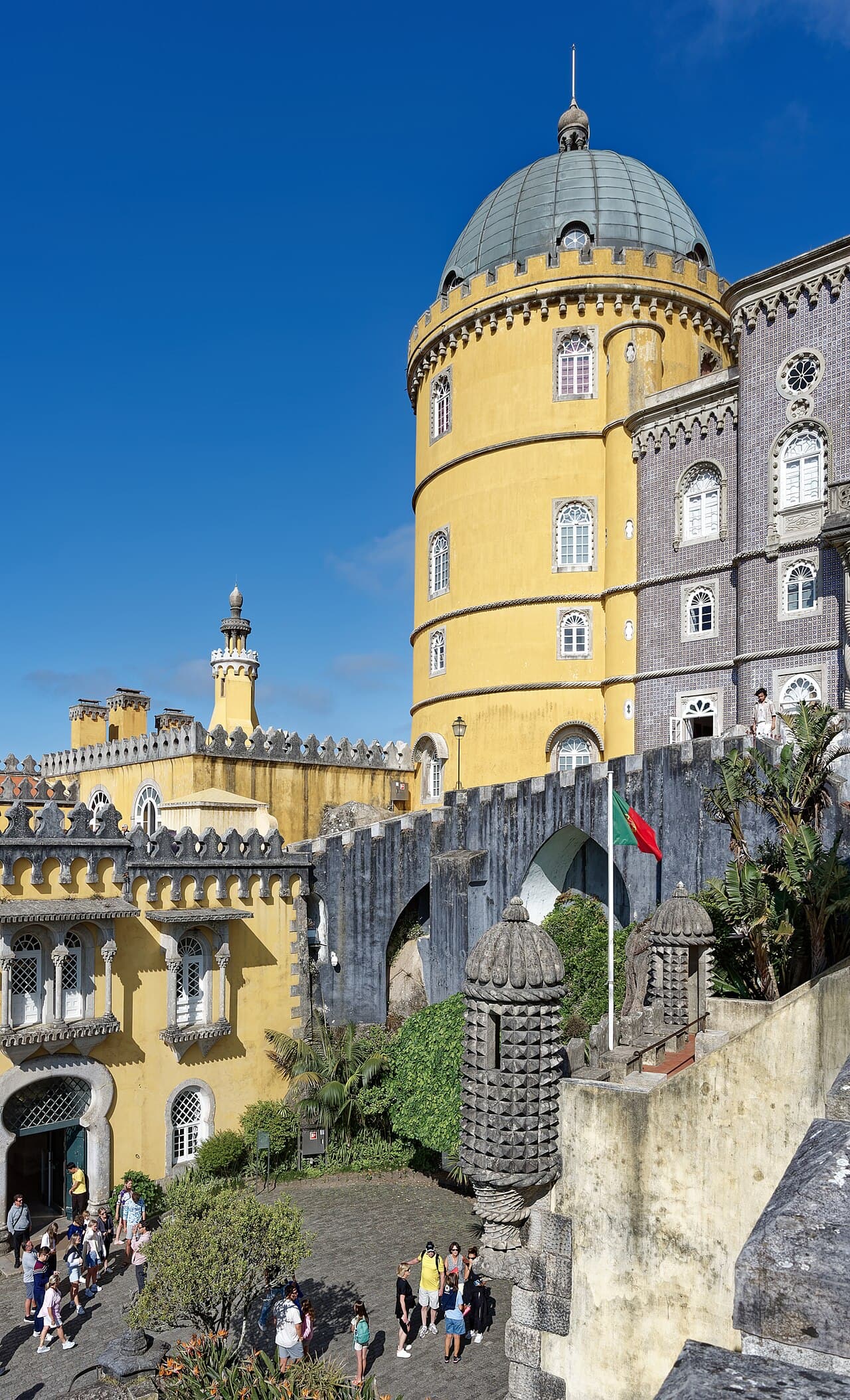
Give it three or four days and it opens outward: the fairy-tale palaces of Sintra in the hills, the surf beaches of the Atlantic coast, and the port lodges of nearby regions are all within an easy day trip. Lisbon is a place to walk, climb, eat, and let the light do the rest.
Hand-picked and independently written. Booking links go live as partner programs are approved — see our affiliate disclosure.
- Alfama
- The oldest quarter — a maze of stairways, tiny fado bars, and the cathedral, crowned by São Jorge Castle. Atmospheric and central, if steep.
- Baixa & Chiado
- The elegant, flat downtown rebuilt on a grid after the earthquake, full of squares, shops, and cafés. The most convenient, walkable base.
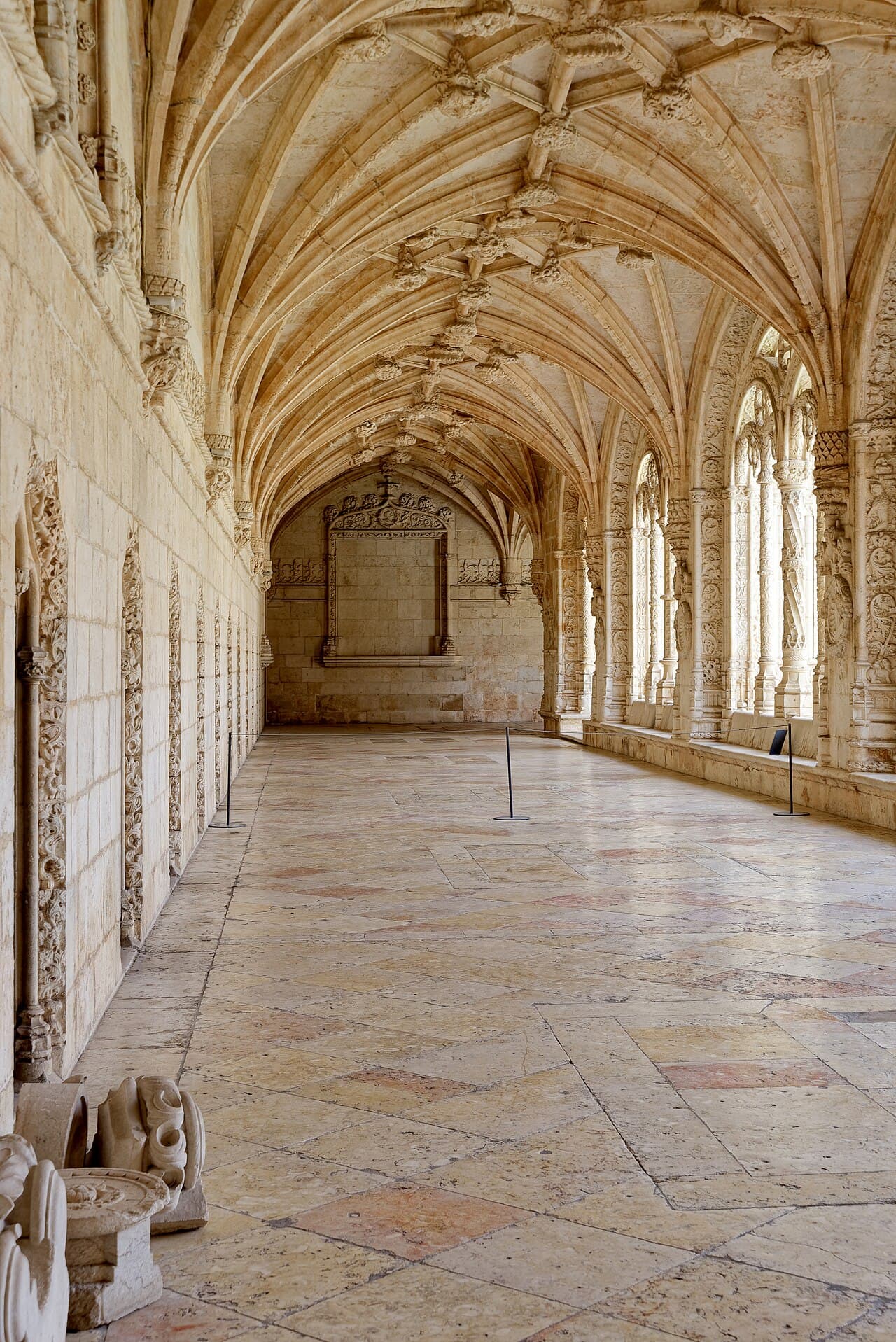
- Belém
- The riverside monument district — home to the Tower, the monastery, and the original custard tarts. Quieter and grander, a short tram ride west.